
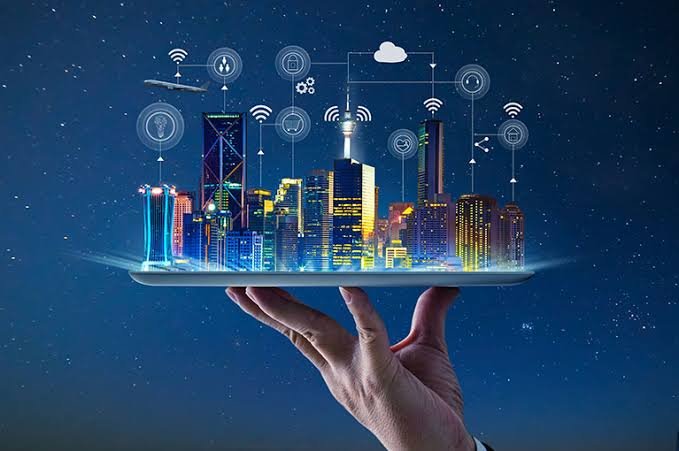
Technology has become an important part of everyday life, but the way we use it is changing quickly. In the past, most devices simply performed the tasks they were designed for. Today, many devices can understand information, connect to the internet, learn from user behavior, and even make decisions with little human input. This development has given rise to what we commonly call Smart Technology.
Smart technology is no longer limited to expensive gadgets or futuristic ideas. It can be found in homes, offices, schools, hospitals, vehicles, factories, and even public spaces. From smart watches that track our daily activities to home systems that automatically adjust temperature and lighting, these technologies are becoming part of normal life.
What Is Smart Technology?
Smart technology refers to electronic devices, systems, and applications that can collect information, communicate with other devices, analyze data, and respond intelligently to different situations.
A smart device usually combines several technologies, such as sensors, internet connectivity, artificial intelligence, machine learning, cloud computing, and data analysis. These technologies allow a device to do more than simply follow a fixed command.
For example, a traditional light switch requires a person to turn the light on or off. A smart lighting system may detect movement, recognize schedules, or receive instructions from a smartphone. It can automatically turn lights on when someone enters a room and switch them off when the room is empty.
The main purpose of smart technology is to make tasks easier, faster, safer, and more efficient.
Smart Technology in Everyday Life
One of the biggest reasons smart technology has become so popular is its usefulness in everyday activities. Many people use smart devices without even thinking about the technology behind them.
Smartphones are perhaps the most familiar example. Modern smartphones can recognize faces, provide navigation, translate languages, manage payments, control other devices, and use artificial intelligence to improve the user experience.
Smart watches are another common example. They can monitor physical activity, count steps, measure heart rate, provide notifications, and help users manage their schedules. Some devices can even identify unusual health-related patterns and encourage users to seek professional advice.
Smart home technology is also growing rapidly. Smart thermostats can learn temperature preferences and adjust heating or cooling automatically. Smart security cameras can send alerts when they detect unusual activity. Smart speakers can answer questions, play music, control compatible appliances, and manage reminders.
These examples show how technology is moving from simple tools toward systems that can respond to our needs.
The Role of Smart Technology in Businesses
Businesses are also using smart technology to improve productivity and reduce unnecessary costs. Companies can collect large amounts of information from machines, customers, employees, and business operations. This information can then be analyzed to support better decisions.
In manufacturing, smart machines can monitor equipment and identify possible problems before a major breakdown occurs. This approach, often called predictive maintenance, can save businesses time and money because repairs can sometimes be planned before equipment completely fails.
Retail businesses use smart technology to understand customer preferences, manage inventory, and improve shopping experiences. For example, data analysis can help a store determine which products are selling quickly and when certain items need to be restocked.
Smart technology is also changing the workplace. Employees can use cloud-based tools, automated software, virtual assistants, and intelligent communication platforms to complete routine tasks more efficiently. Instead of spending hours on repetitive work, workers can focus more attention on creative and strategic responsibilities.
Smart Technology in Healthcare
Healthcare is another field where smart technology can have a significant impact. Doctors and healthcare professionals increasingly use digital systems to organize information, monitor patients, and support medical decisions.
Wearable devices can collect information such as heart rate, activity levels, and sleep patterns. When used appropriately, this information can help people understand their general health habits and provide useful information to healthcare professionals.
Hospitals can also use connected systems to monitor equipment and manage patient information. Smart medical devices may help healthcare workers track patients more efficiently and respond quickly when certain conditions change.
Artificial intelligence is becoming increasingly important in healthcare as well. AI systems can analyze large amounts of medical information and help identify patterns that might otherwise take considerable time to review. However, these technologies are designed to support healthcare professionals rather than replace professional judgment.
Benefits of Smart Technology
There are many potential benefits associated with smart technology.
First, it can save time. Automation allows devices and software to handle repetitive tasks without requiring constant human involvement.
Second, it can improve efficiency. Smart systems can analyze information and adjust their operation according to changing conditions. This can help reduce wasted energy, materials, and resources.
Third, smart technology can increase convenience. People can control many devices remotely through smartphones or other connected systems. For example, a homeowner may check a security camera or adjust a thermostat while away from home.
Another important benefit is better decision-making. Smart systems can collect and analyze data much faster than a person could manually process it. Businesses, healthcare organizations, and individuals can use this information to make more informed choices.
Smart technology can also improve safety and security. Connected cameras, sensors, alarms, and monitoring systems can identify unusual activity and provide alerts when something requires attention.
Challenges and Concerns
Despite its advantages, smart technology also creates challenges. One of the biggest concerns is privacy.
Smart devices often collect information about users and their activities. If this information is not properly protected, it may be exposed to unauthorized people. Companies and users therefore need to take data security seriously.
Another concern is cybersecurity. Because many smart devices are connected to the internet, they can potentially become targets for hackers. Strong passwords, regular software updates, secure networks, and reliable security practices can reduce these risks.
There is also the issue of dependence on technology. When people rely heavily on automated systems, they may become less prepared to perform certain tasks manually. A technical failure can sometimes cause significant inconvenience.
Cost can be another barrier. Although smart devices are becoming more affordable, advanced systems can still be expensive to purchase, install, and maintain.
Finally, there are concerns about the effect of automation on employment. Some repetitive jobs may become increasingly automated, which means workers may need to develop new skills as technology changes the workplace.
The Future of Smart Technology
The future of smart technology is likely to be even more connected. Devices will continue to communicate with one another, while artificial intelligence and machine learning may make systems more capable of understanding situations and predicting user needs.
Smart homes may become more automated, with different appliances working together instead of operating separately. Vehicles may become safer and more intelligent through advanced driver-assistance technologies. Cities may use connected systems to improve traffic management, energy consumption, waste collection, and public services.
At the same time, responsible development will be essential. Technology should not only become smarter; it should also become safer, more transparent, accessible, and respectful of privacy.
People will also need to understand how their data is collected and used. Being comfortable with technology should include knowing how to protect personal information and recognize potential risks.
How to Use Smart Technology Responsibly
Getting the most from smart technology requires more than simply buying the latest device. Users should understand what information a device collects and why it needs access to that information.
It is also important to keep devices updated. Software updates often include security improvements that can protect against newly discovered threats. Using unique and strong passwords is another simple but effective security measure.
People should also avoid connecting unnecessary devices to their accounts or networks. Before purchasing a smart product, it is worth considering whether its features are genuinely useful.
Businesses should take similar precautions. They need clear data protection policies, employee training, secure systems, and regular security checks. Smart technology can provide major advantages, but those advantages are strongest when technology is used thoughtfully.
1. What is Smart Technology?
Smart technology refers to devices and systems that can collect information, connect with other systems, analyze data, and respond intelligently. Examples include smart phones, smart watches, smart home devices, connected vehicles, and intelligent business systems.
2. How does Smart Technology work?
Smart technology usually combines sensors, internet connectivity, software, data analysis, artificial intelligence, or machine learning. These technologies allow a device to collect information, process it, and perform an appropriate action.
3. What are the main benefits of Smart Technology?
The main benefits include convenience, automation, improved efficiency, better decision-making, time savings, and enhanced monitoring. Smart technology can also help businesses reduce waste and improve their operations.
4. Is Smart Technology safe to use?
Smart technology can be safe when devices are properly secured and maintained. Users should use strong passwords, install software updates, choose trustworthy products, and understand what personal information their devices collect.
5. What is the future of Smart Technology?
The future will likely involve more connected devices, advanced artificial intelligence, automation, and personalized digital experiences. Smart technology may become increasingly common in homes, workplaces, transportation, healthcare, and cities.
Conclusion
Smart technology is changing the relationship between people and machines. Instead of simply responding to commands, modern devices can collect information, communicate with other systems, learn from patterns, and respond to changing situations.
From smart homes and wearable devices to healthcare, transportation, and business operations, the influence of smart technology can already be seen in many areas of modern life. Its benefits include greater convenience, improved efficiency, better decision-making, and stronger monitoring capabilities.
However, these benefits come with responsibilities. Privacy, cybersecurity, cost, and dependence on technology are important issues that should not be ignored.
The future of smart technology will depend not only on how advanced devices become, but also on how responsibly people and organizations use them. When developed and used carefully, smart technology can make everyday life more convenient while helping businesses and communities work more efficiently.