
Modern technology has become an important part of everyday life. From the smartphone in our hands to the systems that manage hospitals, businesses, transportation, and communication, technology is present almost everywhere. What once seemed like science fiction is now part of our normal routine. People can communicate with someone on the other side of the world within seconds, attend meetings from home, shop online, learn new skills, and even use artificial intelligence to complete complicated tasks.
The growth of modern technology has changed not only the devices we use but also the way we think, work, communicate, and solve problems. It has created new opportunities for individuals and businesses while also introducing challenges that society must learn to manage. Understanding these changes can help us make better use of technology without allowing it to control every part of our lives.
What Is Modern Technology?
Modern technology refers to the latest tools, systems, machines, software, and digital solutions developed to make human activities easier, faster, safer, or more efficient. It includes a wide range of innovations, such as artificial intelligence, cloud computing, smartphones, robotics, the Internet of Things, renewable energy systems, and advanced medical equipment.
Unlike older technologies that often performed one specific task, many modern technologies are connected and capable of handling large amounts of information. For example, a modern smartphone is not simply a device for making calls. It can function as a camera, navigation system, entertainment center, payment tool, learning device, and communication platform.
The purpose of modern technology is not simply to create new gadgets. At its best, technology helps people solve real-world problems and improve the quality of life.
How Modern Technology Has Changed Communication
Communication is one of the areas most strongly affected by technological development. In the past, sending information over long distances could take days or even weeks. Today, messages can travel around the world almost instantly.
Email, video calls, instant messaging, and social media have made communication faster and more convenient. Families can stay connected even when they live in different countries. Companies can work with employees and clients located thousands of miles away. Students can communicate with teachers and classmates through digital platforms.
Modern communication technology has also changed the way information spreads. News, educational content, and important announcements can reach millions of people within minutes. However, this speed also creates problems. False information can spread quickly, making it increasingly important for people to check sources and think critically before sharing online content.
The Role of Modern Technology in Education
Education has also experienced major changes because of technology. Students are no longer limited to information found in textbooks or available in their local libraries. The internet provides access to courses, research papers, educational videos, digital libraries, and learning platforms from around the world.
Online education has made learning more flexible. A person can learn a new language, study programming, improve professional skills, or complete an academic course from home. Digital classrooms also make education more accessible to people who may not be able to attend traditional institutions.
Artificial intelligence and other educational technologies can provide personalized learning experiences. Some systems can identify areas where a student is struggling and recommend additional practice. Teachers can also use digital tools to organize lessons, evaluate assignments, and communicate with students.
Despite these advantages, technology should support education rather than completely replace human teachers. Guidance, creativity, discussion, and personal interaction remain important parts of effective learning.
Modern Technology in the Workplace
The modern workplace looks very different from the workplace of previous generations. Computers and internet-based systems have transformed how businesses operate. Employees can store documents digitally, communicate with colleagues instantly, manage projects online, and work remotely.
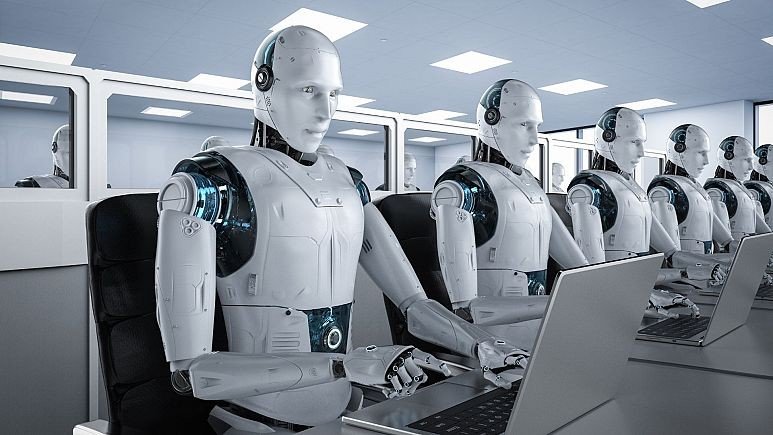
Automation is another major development. Software and machines can now perform repetitive tasks that previously required significant amounts of human labor. This can increase productivity and reduce mistakes. Businesses can use data analysis to understand customer behavior, identify trends, and make more informed decisions.
Remote work is one of the clearest examples of how technology has changed employment. Video conferencing, cloud storage, project management software, and digital communication tools allow many employees to work effectively outside a traditional office.
However, technological change can also create uncertainty for workers. Some jobs may become automated, while new roles require different technical skills. This makes continuous learning increasingly important in the modern economy.
The Impact on Healthcare
Modern technology has made significant contributions to healthcare. Doctors and medical professionals now have access to advanced equipment that can help detect and treat diseases more effectively.
Digital health records make it easier for authorized healthcare professionals to access important patient information. Telemedicine allows patients to consult doctors remotely, which can be especially useful for people living far from medical facilities.
Artificial intelligence is also being explored for medical research, diagnosis, drug development, and patient monitoring. Wearable devices can track information such as heart rate, physical activity, sleep patterns, and other health-related measurements.
Technology cannot replace the knowledge and judgment of healthcare professionals, but it can give them better tools for making decisions and providing care.
Modern Technology and Transportation
Transportation has become faster, safer, and more connected because of technological innovation. Navigation applications help drivers find efficient routes and avoid traffic. Modern vehicles include sensors, cameras, digital dashboards, and safety systems designed to reduce accidents.
Electric vehicles are another important development. As concerns about pollution and energy use continue, manufacturers are investing in cleaner transportation technologies.
Researchers are also developing autonomous driving systems, although widespread adoption depends on technological reliability, regulation, infrastructure, and public acceptance. The future of transportation may involve increasingly connected vehicles, intelligent traffic systems, and cleaner energy sources.
Advantages of Modern Technology
There are many benefits associated with modern technology. One of the biggest is convenience. Tasks that once required considerable time can now be completed in a few clicks.
Technology also improves access to information. People can research almost any subject, communicate with experts, and learn skills without necessarily being physically present in a classroom.
Businesses benefit from improved productivity and global connectivity. Small companies can reach customers in different countries, while large organizations can coordinate operations across multiple locations.
Modern technology can also contribute to safety. Emergency communication systems, medical monitoring equipment, cybersecurity tools, and transportation safety features can help protect people and property.
Challenges and Disadvantages
Despite its benefits, modern technology is not without problems. One major concern is privacy. Many digital services collect information about their users, creating questions about how personal data should be stored and protected.
Cybersecurity is another serious issue. Hackers and criminals may attempt to steal information, damage systems, or deceive users. Individuals and organizations therefore need strong security practices.
Excessive technology use can also affect daily life. Spending too much time on screens may reduce physical activity and face-to-face interaction. Social media can sometimes contribute to stress, distraction, or unhealthy comparisons.
There is also the issue of the digital divide. Not everyone has equal access to reliable internet, modern devices, or digital education. If technological progress is to benefit society as a whole, access and digital skills must be considered.
The Future of Modern Technology
The future of technology is likely to bring even greater changes. Artificial intelligence, robotics, advanced computing, biotechnology, smart homes, and renewable energy are expected to continue developing.
Artificial intelligence may become more deeply integrated into workplaces, education, healthcare, and everyday applications. Smart devices may communicate with each other more effectively, creating homes and cities that can automatically respond to changing conditions.
At the same time, society will need to address important questions about privacy, employment, security, ethics, and responsible use. Technological progress should not be measured only by how advanced a device or system becomes. It should also be measured by whether that progress genuinely improves people’s lives.
Frequently Asked Questions (FAQs)
1. What is modern technology?
Modern technology refers to current tools, systems, devices, and innovations designed to solve problems, improve efficiency, and make everyday activities easier. It includes technologies such as artificial intelligence, smartphones, cloud computing, robotics, and the Internet of Things.
2. Why is modern technology important?
Modern technology is important because it improves communication, education, healthcare, transportation, business, and many other areas of life. It allows people to access information quickly and complete tasks more efficiently.
3. How does modern technology affect education?
Technology gives students access to online courses, digital libraries, educational videos, research resources, and interactive learning platforms. It also helps teachers organize lessons and communicate with students more easily.
4. What are the main benefits of modern technology?
Some major benefits include faster communication, easier access to information, increased workplace productivity, improved healthcare services, better transportation systems, and greater convenience in everyday life.
5. Can modern technology have negative effects?
Yes. Excessive technology use can lead to distraction, reduced physical activity, privacy concerns, cybersecurity risks, and less face-to-face interaction. Automation can also change employment opportunities in certain industries.
6. How is artificial intelligence related to modern technology?
Artificial intelligence is an important part of modern technology. It allows computer systems to analyze information, recognize patterns, generate content, and perform tasks that traditionally required human intelligence.
7. Will modern technology replace human workers?
Technology may automate some repetitive tasks, but it is also creating new jobs and industries. Rather than replacing every worker, technological change is more likely to transform many jobs and increase the need for new skills.
8. What will modern technology look like in the future?
Future technology is likely to include more advanced artificial intelligence, robotics, connected devices, cleaner energy systems, autonomous transportation, and improved digital services. Responsible development will be important to ensure these innovations benefit society.
Conclusion
Modern technology has transformed the world in ways that were difficult to imagine only a few decades ago. It has changed communication, education, healthcare, transportation, business, and entertainment. It allows people to access information quickly, connect across borders, and complete many tasks more efficiently.
However, technology is a tool, and its value depends on how people use it. Privacy concerns, cybersecurity risks, excessive screen time, job disruption, and unequal access are challenges that cannot be ignored.
The goal should not be to use technology simply because it is new. Instead, individuals, businesses, and governments should focus on using innovation responsibly and thoughtfully. When technology is combined with human creativity, judgment, and ethical responsibility, it can become a powerful force for positive change.