
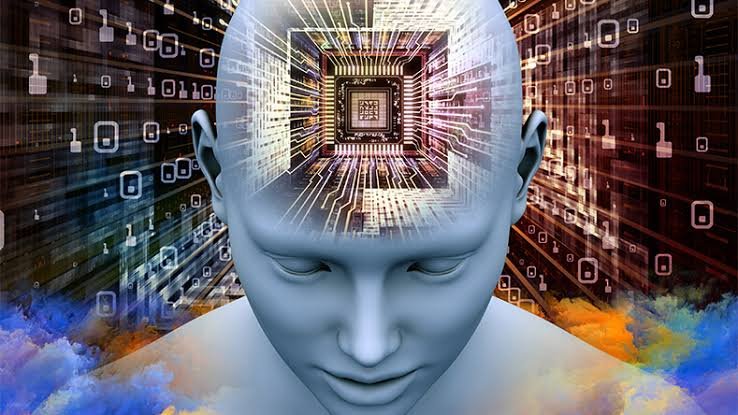
Imagine controlling a computer with your thoughts, moving a robotic arm without physically touching it, or communicating with another person even when you cannot speak. What once seemed like science fiction is gradually becoming a reality through a technology known as brain-computer interfaces (BCIs). By creating a direct communication pathway between the human brain and external devices, BCIs are opening new possibilities in healthcare, accessibility, communication, and human-computer interaction.
Traditionally, people have interacted with technology through keyboards, touchscreens, microphones, and other physical controls. These methods remain useful, but they can create significant challenges for individuals who have lost the ability to move or communicate because of neurological conditions or severe injuries. Brain-computer interfaces offer an alternative by interpreting patterns of brain activity and translating them into commands that a computer or another device can understand.
The technology is still developing, and many applications remain experimental. However, researchers are making progress in helping people communicate, control digital interfaces, and operate assistive devices using signals recorded from the brain. At the same time, advances in artificial intelligence, neuroscience, electronics, and signal processing are making these systems increasingly sophisticated.
Beyond medical applications, brain-computer interfaces are attracting interest from technology companies and researchers exploring new ways for humans to interact with digital environments. Their potential applications range from rehabilitation and assistive communication to gaming, immersive experiences, and future workplace technologies.
Nevertheless, this progress also raises important questions about safety, privacy, affordability, and the ethical use of brain data. Because brain-computer interfaces involve some of the most personal information a human being can produce, their development requires careful consideration.
This article explores how brain-computer interfaces work, the technologies behind them, their current applications, the challenges they face, and how thought-controlled technology could influence the future of digital innovation.
- What Are Brain-Computer Interfaces?
A brain-computer interface is a system that enables communication between brain activity and an external device without relying entirely on conventional muscular movements.
The human brain contains billions of neurons that communicate through electrical and chemical signals. When a person thinks, pays attention, imagines a movement, or performs a task, patterns of neural activity change. Specialized technologies can measure some of these patterns and use computer algorithms to interpret them.
A BCI converts selected brain signals into commands. Depending on the system, those commands might move a cursor, select letters on a screen, control a robotic device, or help someone operate an assistive communication system.
For example, a person who cannot use their hands may be trained to produce recognizable brain activity associated with imagining particular movements. A computer can learn to distinguish those patterns and translate them into cursor movements or selection commands.
The person does not need to think in a perfectly formed sentence and have the computer read it directly. Instead, the interface typically detects specific patterns associated with a trained task, intention, or mental activity.
This distinction is important because brain-computer interfaces do not currently provide unrestricted access to every thought a person has. They interpret measurable signals within the limits of their sensors, algorithms, and training procedures.
BCIs can be designed for different purposes, ranging from simple control systems to advanced communication technologies.
Their central objective is to create a reliable connection between neural activity and useful external actions.
- How Does Thought-Controlled Technology Work?
Although brain-computer interfaces vary considerably, most follow a similar process involving signal collection, processing, interpretation, and device control.
Step 1: Recording brain activity
The system first collects signals associated with brain activity. Depending on the technology, sensors may be placed on the scalp, positioned beneath the skull, or implanted directly into brain tissue.
Each method captures different types of information and involves different trade-offs in signal quality, convenience, and medical risk.
Step 2: Processing the signals
Raw brain signals contain noise and can be affected by movement, muscle activity, electrical interference, and other factors.
The system uses signal-processing techniques to filter unwanted information and identify patterns that may be relevant to the intended task.
Step 3: Interpreting patterns
Machine learning algorithms can analyze the processed signals and estimate which command the user intends to make.
For example, the system may distinguish between patterns associated with moving a cursor left or right, selecting a character, or attempting a particular movement.
These models often require calibration and training so that they can work with the user’s neural signals.
Step 4: Translating the interpretation into action
The computer converts the recognized pattern into a command. A cursor may move across a screen, a robotic arm may change position, or a communication program may select a word.
Step 5: Learning from feedback
The user sees or experiences the result and can adjust their behavior. Some systems also update their models based on new data, helping maintain performance as signals change.
For example, someone using a BCI to control a cursor may gradually learn how to produce more consistent neural patterns, while the software adapts to their individual signals.
This interaction between the user and the system is essential. Successful BCI use usually requires more than simply wearing a sensor or implant.
The quality of the experience depends on signal reliability, training, interface design, and how well the system translates brain activity into useful actions.
- Different Types of Brain-Computer Interfaces
Brain-computer interfaces can be divided into several categories according to how they record neural activity.
Non-invasive BCIs
Non-invasive systems collect brain signals without requiring surgery. One of the best-known approaches uses electroencephalography, or EEG, which measures electrical activity through sensors placed on the scalp.
EEG-based systems are relatively accessible and can be useful for research, rehabilitation experiments, and certain forms of interaction.
Their main advantage is that they avoid surgical implantation. However, signals recorded through the scalp are generally less detailed than those captured directly from the brain.
Movement, environmental interference, and differences between users can also affect performance.
Partially invasive BCIs
Partially invasive systems place electrodes inside the skull but outside the brain tissue itself. These approaches can capture signals with different levels of detail compared with scalp-based systems.
They may provide useful information while avoiding some of the direct tissue penetration associated with intracortical implants.
However, they still require a medical procedure and involve risks that must be carefully evaluated.
Invasive BCIs
Invasive systems use electrodes implanted within brain tissue or positioned in close contact with neural structures.
Because these sensors can record signals more directly, they may support more precise control in certain applications.
Research systems using implanted electrodes have demonstrated promising results in helping people with severe paralysis control computer cursors, select letters, or operate assistive technologies.
However, invasive systems require surgery and long-term medical oversight. Researchers must also address issues such as infection, tissue response, implant durability, and signal stability.
No single approach is best for every situation. Non-invasive systems offer convenience and lower medical risk, while implanted systems may provide the signal quality needed for certain demanding applications.
The appropriate technology depends on the user’s needs, the intended task, and the balance between potential benefits and risks.
- The Role of Artificial Intelligence in Brain-Computer Interfaces
Artificial intelligence is becoming an important part of BCI development because brain signals are complex, variable, and difficult to interpret consistently.
A single person’s neural activity can change over time due to fatigue, attention, movement, electrode placement, and other factors. Different individuals may also produce different signal patterns while attempting the same task.
AI models can learn relationships between recorded signals and the commands a user intends to produce.
For example, machine learning algorithms can be trained to recognize patterns associated with attempted hand movements. A system may then use those patterns to control a digital cursor or support a rehabilitation exercise.
More advanced decoding systems are being investigated for communication. In certain research settings, algorithms have translated neural activity associated with attempted speech or handwriting into text or synthesized speech.
These developments are especially important for people who have lost the ability to communicate through ordinary speech or movement.
AI can also help reduce calibration requirements and adapt interfaces to changing signal patterns. However, performance varies significantly between systems, users, and experimental conditions.
A model that works well in a controlled research setting may not perform equally well during everyday activities.
Researchers must therefore evaluate accuracy, response time, reliability, and the consequences of incorrect predictions.
AI does not remove the fundamental challenges of interpreting neural activity. Instead, it provides more sophisticated tools for extracting useful information from the signals available.
As algorithms improve, they could make brain-computer interfaces more practical and accessible, provided that their performance and safety are thoroughly validated.
- Transforming Healthcare and Medical Rehabilitation
Healthcare is one of the most important areas in which brain-computer interfaces could make a meaningful difference.
People who experience severe spinal cord injuries, strokes, or certain neurological conditions may lose some or all of their ability to move or communicate. Conventional assistive technologies can help, but some individuals cannot operate them reliably because they have limited control over their muscles.
BCIs offer another possible communication and control pathway.
Restoring communication
Some experimental systems allow individuals with severe speech impairments to communicate through decoded neural signals.
Depending on the system, users may select letters, generate text, or produce synthesized speech based on neural activity associated with attempted movements or speech.
These approaches remain specialized and are not universally available, but they demonstrate how neural signals may support communication when conventional methods are difficult or impossible.
Controlling assistive devices
Researchers have developed BCI systems that allow participants to control computer cursors and, in some experimental settings, robotic arms.
Such systems could eventually help people perform activities such as selecting objects, operating communication software, or interacting with digital services.
Practical everyday use still depends on accuracy, safety, setup requirements, and the ability to control devices consistently.
Supporting rehabilitation
BCIs are also being investigated in stroke rehabilitation and motor recovery.
Some rehabilitation systems combine brain activity with external stimulation or robotic assistance. The goal is to connect a person’s intention to move with feedback that may help support motor learning.
For example, a system may detect brain activity associated with attempting to move a hand and then trigger a robotic device to assist the movement.
The potential benefits depend on the patient’s condition, treatment design, and clinical evidence. BCI-based rehabilitation is not a guaranteed solution, and it should be used under appropriate professional supervision.
Nevertheless, the technology offers an interesting direction for developing more personalized rehabilitation tools.
- Brain-Computer Interfaces in Everyday Technology
Although medical applications currently provide some of the clearest reasons to develop BCIs, researchers and technology developers are also exploring potential uses outside clinical settings.
One possible area is hands-free interaction. People may eventually use certain neural signals to select items, control interfaces, or activate functions without relying entirely on touchscreens or voice commands.
For individuals who have difficulty using their hands, this could make digital devices more accessible.
Another potential area is gaming and entertainment. Experimental systems can use brain signals to control simple game mechanics or measure patterns of attention and relaxation. More advanced forms of direct control remain challenging, and many consumer products marketed as brain-controlled devices provide limited functionality rather than unrestricted thought-based interaction.
Virtual and augmented reality may also benefit from neural interfaces. In principle, a BCI could complement eye tracking, gesture recognition, and voice commands to create more flexible ways of interacting with digital environments.
For example, a user might select an item through a combination of gaze direction and a recognized mental command.
However, these applications must be evaluated realistically. Consumer EEG headsets cannot generally decode arbitrary thoughts, and their signal quality may be insufficient for precise control in demanding situations.
For most everyday users, voice recognition, eye tracking, gesture controls, and other established technologies remain more practical for many tasks.
The future of consumer BCIs will depend on whether they offer clear advantages over these alternatives.
- The Connection Between BCIs and Smart Devices
Smart devices are becoming increasingly capable of responding to their users through sensors, AI, and contextual information.
Brain-computer interfaces could eventually add another layer to this interaction by providing information about selected neural activity or user intent.
For example, researchers may explore how neural signals could complement other inputs in assistive home-control systems. A person with limited mobility might use a BCI to select an action while a connected device performs the task.
In a smart home, this could potentially support the control of lighting, entertainment systems, or other accessible functions.
Wearable technology presents another area of interest. EEG sensors integrated into specialized headsets could potentially provide information about certain brain activity patterns for research or carefully defined applications.
However, measuring brain activity is not the same as reliably determining a person’s emotions, intentions, or mental state.
Attention, stress, fatigue, and other psychological concepts involve complex processes that cannot always be inferred accurately from a single neural measurement.
It would therefore be misleading to suggest that ordinary smart devices will soon understand everything a person thinks or feels.
Practical integration will require reliable sensors, clear user consent, useful applications, and strong privacy protections.
The most promising systems may combine BCIs with conventional controls rather than attempting to replace every existing method of interaction.
- Brain-Computer Interfaces and Accessibility
Accessibility is one of the strongest arguments for continued BCI research.
Many digital systems assume that users can see a screen, move their hands, speak clearly, and operate conventional input devices. These assumptions can exclude people with disabilities.
BCIs could help reduce some of these barriers by creating alternative ways to communicate with technology.
For someone who cannot reliably move a hand, a BCI-controlled cursor could provide access to computer applications. For someone with severe speech impairment, a neural communication system might provide an alternative route for expressing words or selecting messages.
Such capabilities could support independence, education, employment, and social connection.
However, accessibility involves more than developing a technically impressive device.
Systems must be comfortable, affordable, reliable, and adaptable to different needs. Users may require assistance with setup, calibration, maintenance, and troubleshooting.
Non-invasive systems may be easier to adopt in some circumstances, but they may not provide sufficient accuracy for every user. Implanted systems may offer stronger control for certain tasks, but surgery and long-term medical support create significant barriers.
Designers should also involve people with disabilities in development and testing. Their experiences can reveal practical problems that engineers might otherwise overlook.
The goal should be to give users more choices, not to suggest that every person with a disability needs or wants a neural interface.
BCIs are most valuable when they expand a person’s options and address a clearly identified need.
- The Challenges of Making Thought-Controlled Technology Practical
Despite considerable progress, brain-computer interfaces face important technical and practical challenges.
Signal accuracy
Brain signals can be noisy and difficult to interpret. Even small changes in sensor placement or user condition may affect system performance.
A system that works well during a short experiment may require additional training or adjustment before it can be used consistently in daily life.
Speed and reliability
Some BCI applications still operate more slowly than conventional input methods. Selecting letters through neural signals, for example, may take longer than typing for someone who can use a keyboard comfortably.
For users who cannot use conventional devices, however, even a slower BCI may offer an important improvement over having no effective communication method.
Comfort and convenience
EEG systems may require carefully positioned electrodes and good sensor contact. Some setups involve conductive gels, repeated calibration, or specialized headgear.
Implanted systems avoid certain scalp-sensor limitations but introduce surgical procedures and long-term maintenance considerations.
Cost and availability
Advanced implanted systems require specialized medical teams, equipment, follow-up care, and technical support.
These requirements can make access difficult, particularly in regions with limited healthcare resources.
Long-term stability
Implanted electrodes may experience changes in signal quality over time. Non-invasive systems can also be affected by sensor movement and changing recording conditions.
Researchers must continue improving durability, ease of use, and maintenance.
These challenges show that successful BCI development requires more than demonstrating that a device can work under controlled conditions. It must also provide dependable value in the environment where people intend to use it.
- Privacy and Ethical Concerns
Brain-computer interfaces introduce important questions about privacy because neural signals can contain highly personal information.
Although current systems do not provide unrestricted access to every thought, recorded brain activity may reveal information about a user’s responses, intended actions, or certain mental processes within a specific task.
As the technology develops, organizations will need clear rules governing how neural data is collected, stored, analyzed, and shared.
One major concern is consent. Users should understand what information a device records, what the system attempts to infer, and who can access the resulting data.
Another concern is security. If a BCI is connected to a computer, communication system, or assistive device, unauthorized access could create risks ranging from privacy violations to interference with device operation.
Manufacturers should use appropriate encryption, access controls, secure software updates, and transparent data policies.
There are also ethical questions about workplace monitoring. Employers should not assume that access to a person’s neural signals gives them the right to monitor attention, emotional responses, or other sensitive information.
Similarly, BCI systems should not make unsupported claims about detecting dishonesty, measuring intelligence, or accurately identifying complex emotions.
For implanted technologies, researchers and clinicians must also address informed consent, medical risk, long-term support, and the possibility that a device may eventually become obsolete.
Strong ethical standards will be essential to maintaining public trust.
The guiding principle should be that individuals retain meaningful control over their neural data and over decisions involving technologies connected to their brains.
- The Role of Regulation and Responsible Development
As brain-computer interfaces move from research laboratories toward practical applications, regulation will become increasingly important.
Medical devices may need to meet requirements concerning safety, effectiveness, manufacturing quality, and clinical evidence. The exact requirements depend on the country, the intended use, and the type of device.
Systems intended to restore communication or support rehabilitation require particularly careful evaluation because incorrect outputs or device failures may have serious consequences.
Consumer products also need appropriate safeguards. Manufacturers should clearly explain what their devices can and cannot do, how data is processed, and what limitations users should expect.
Researchers should avoid exaggerating experimental results or presenting early demonstrations as proof that a technology is ready for widespread use.
Responsible development also involves testing systems across diverse users. Neural signals can vary substantially between individuals, and a system developed for a narrow group may not perform equally well for everyone.
Accessibility, affordability, and inclusive design should be considered from the beginning rather than added later.
Collaboration among neuroscientists, engineers, clinicians, security specialists, policymakers, and potential users can help ensure that progress reflects real needs.
Regulation should protect people without unnecessarily preventing responsible research. Achieving that balance will be important as the field continues to evolve.
- What Does the Future Hold for Brain-Computer Interfaces?
The future of BCI technology will depend on improvements in neuroscience, sensors, AI algorithms, implant design, and medical practice.
One important direction is more natural communication. Researchers are working to improve systems that decode neural activity associated with attempted speech, handwriting, or movement.
If these systems become more reliable and easier to use, they could offer important new communication options for people with severe disabilities.
Another direction is improved control of assistive devices. Better signal decoding and feedback could help users interact more effectively with computers, robotic limbs, and other technologies.
Less invasive recording methods and more comfortable wearable sensors may also broaden the range of potential applications, although their practical capabilities will vary.
Advances in AI could help systems adapt to individual users and changing neural signals. However, improved algorithms must be supported by appropriate testing and safeguards.
In the longer term, researchers may explore more sophisticated combinations of brain signals, eye tracking, voice commands, and other inputs. Rather than replacing conventional controls, neural interfaces could become one component of a broader interaction system.
Commercial adoption outside healthcare is likely to depend on whether these systems can provide benefits that simpler technologies cannot offer as effectively.
It is also important to recognize that progress will not be uniform. Some medical applications may become useful well before more ambitious ideas about seamless communication between the brain and digital environments become practical.
The most meaningful developments may not be dramatic demonstrations of futuristic technology. They may be reliable systems that help someone communicate with family, operate a computer independently, or participate more fully in everyday life.
Conclusion
Brain-computer interfaces represent an important development in the relationship between humans and technology. By translating selected patterns of brain activity into commands, these systems offer new ways to interact with computers, assistive devices, and potentially other digital technologies.
Their most promising applications currently involve communication, accessibility, and medical research. Experimental systems have demonstrated that neural signals can support cursor control, text generation, and other forms of interaction for some people with severe motor or speech impairments.
Artificial intelligence is helping researchers interpret complex neural signals, while advances in sensors and computing are creating opportunities for more capable systems.
However, important challenges remain. Signal reliability, cost, comfort, surgical risk, privacy, and long-term maintenance must all be addressed before many applications can become widely available.
Ethical development is equally important. Neural information is deeply personal, and individuals must retain control over how it is collected and used.
Brain-computer interfaces should also be understood realistically. They do not currently allow people to read arbitrary thoughts or control every device simply by thinking. Their capabilities depend on the signals they can measure, the tasks they are designed to support, and the reliability of their interpretation.
Looking ahead, BCIs could help make technology more accessible, responsive, and adaptable to individual needs. Their greatest contribution may be the ability to give people new ways to communicate, regain independence, and interact with the digital world.
Ultimately, the success of thought-controlled technology will not be measured only by how advanced the hardware becomes. It will depend on whether these systems solve meaningful problems, protect individual rights, and improve people’s lives in practical and responsible ways.